Selecting the right pipe fittings for high-pressure systems is crucial. High-pressure systems operate under significant stress, making the choice of materials and fittings essential. According to Dr. Michael Smith, an expert in fluid dynamics, "The right fittings can mean the difference between success and failure in high-pressure applications." Understanding how to select pipe fittings for high pressure systems can help prevent leaks and enhance safety.
In these complex environments, it's important to consider the material compatibility and pressure ratings. Stainless steel and carbon steel are often preferred for their durability. However, even small oversight in matching fittings can lead to major failures. Many professionals have seen good designs fall short due to improper choices. This highlights a need for precise knowledge in this area.
When faced with various options, engineers may feel overwhelmed. It's not enough to choose based on cost; quality must be prioritized. The stakes are high. If there’s one takeaway, it’s that diligence in selection can protect both systems and people. In high-pressure scenarios, every detail counts.
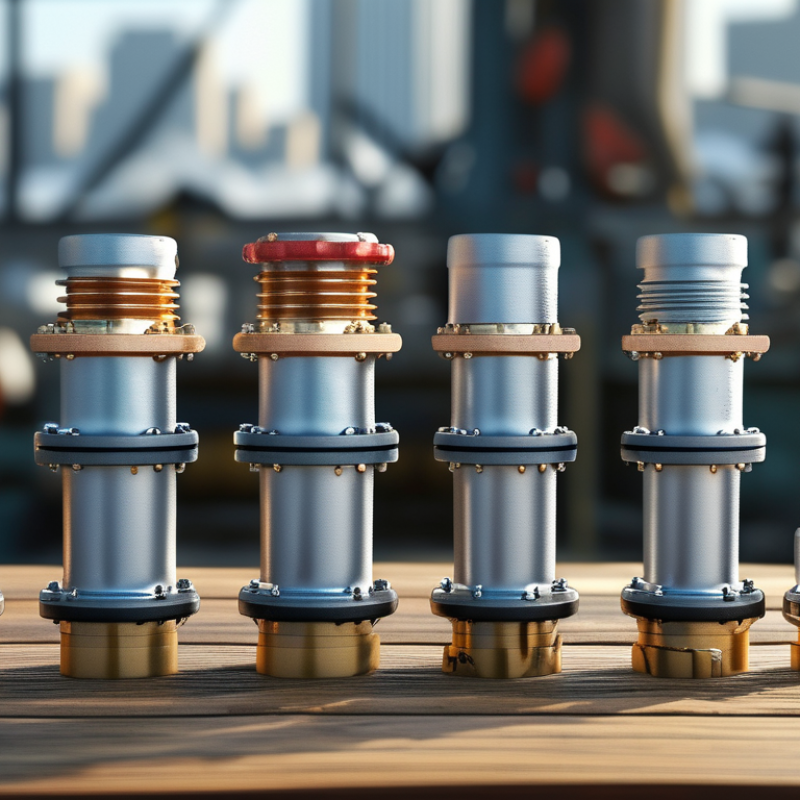
High pressure systems are designed to transport fluids under extreme conditions. Understanding their unique requirements is crucial for ensuring safety and reliability. Pipe fittings play a key role in this domain. They must withstand high pressures and prevent any leaks. Choosing the right material is vital. Metals like stainless steel or carbon steel are often preferred due to their strength and durability.
When selecting fittings, consider the pressure ratings. Each fitting should be rated for the highest pressure in the system. This ensures they won’t fail when subjected to maximum stress. Proper sealing is another important aspect. Gaskets and seals must be compatible with both the fitting and the fluid being transported. Many overlook this detail, leading to potential leaks or system failure.
Installation quality also matters significantly. Poorly installed fittings can lead to problems down the line. Regular inspections should be conducted to identify any wear or damage. Be skeptical about cheap fittings; they may not provide the reliability needed for high pressure applications. Always prioritize quality and expertise when selecting components for high pressure systems.
| Tip Number | Tip Description | Considerations |
|---|---|---|
| 1 | Material Selection | Choose materials rated for high pressure and corrosive environments. |
| 2 | Size and Compatibility | Ensure the fittings match the pipe diameter and pressure rating. |
| 3 | Pressure Rating | Verify the fittings are suitable for the system's pressure requirements. |
| 4 | Joint Integrity | Select fittings that ensure leak-proof and strong joints under pressure. |
| 5 | Compliance with Standards | Ensure fittings are compliant with applicable industry standards for safety. |
Selecting pipe fittings for high-pressure systems is critical. The material compatibility directly impacts safety and efficiency. According to a report from the American Society of Mechanical Engineers (ASME), over 60% of failure cases in high-pressure systems happen due to material mismatches. Understanding each fitting's material properties is essential.
For example, stainless steel is often favored for its corrosion resistance. It can withstand high pressures and various chemicals. However, not all grades of stainless steel perform equally. A report by the Engineering Toolbox noted that some lower-grade stainless steels are prone to stress corrosion cracking under certain conditions. Careful selection based on specific environmental factors is necessary.
Plastic fittings, while lightweight, face limitations. They can expand and contract significantly with temperature changes. High-pressure conditions further exacerbate these issues. Some thermoplastics may become brittle over time. It is crucial to evaluate the chemical compatibility of these materials with the fluids they will handle.
Industry studies have shown that improper material selection leads to costly repairs and safety hazards. Always consult material compatibility charts for various fluids before finalizing your choices.
When evaluating pressure ratings for pipe fittings in high-pressure systems, ensuring safety is paramount. Pressure ratings indicate the maximum pressure a fitting can withstand. According to the American Society of Mechanical Engineers (ASME), fittings should be selected based on their material properties and the operating conditions they will face. For instance, carbon steel fittings typically have pressure ratings between 2000 to 3000 psi, while stainless steel fittings may handle up to 6000 psi under certain conditions.
Safety factors are just as critical. Industry standards suggest applying a safety factor of at least 1.5 to 2.0 for fittings. This means if a fitting has a rating of 1000 psi, it should only be used in applications where the expected pressure does not exceed 500 to 667 psi. Choosing fittings with appropriate safety factors helps prevent catastrophic failures.
In practice, finding the right balance can be challenging. Every high-pressure application has unique requirements, and sometimes it’s easy to overlook specific parameters. Inspecting the environmental conditions, such as temperature fluctuations or corrosive substances, can reveal potential weaknesses in a fitting's design. This reflection on various aspects ensures a safer operation in high-pressure systems.
Selecting the right pipe fittings for high-pressure systems is critical. One key factor is understanding the connection types. Common options include threaded, welded, and flanged connections. Each has its pros and cons. For instance, threaded connections are easier to install, but they may leak over time under extreme pressures. A recent industry report indicated that over 30% of leaks in high-pressure systems are due to improper connections.
Installation methods also play a significant role. For high-pressure applications, proper installation is vital to ensure safety and efficiency. Improperly installed fittings can lead to catastrophic failures. A survey conducted by the Engineering Equipment and Materials Users Association found that nearly 25% of companies reported incidents related to installation errors. This underscores the need for skilled technicians who understand the demands of high-pressure systems.
Another consideration is the material used for the fittings. Selecting materials that can withstand the environment is essential. For example, stainless steel is often preferred due to its strength and corrosion resistance. However, using materials that are not suitable can result in costly repairs and downtime. Failing to assess environmental conditions could be a serious oversight for many engineers. It’s critical to match the material properties to the specific pressures and temperatures of the application.
When evaluating pipe fittings for high-pressure systems, adhering to regulatory standards is crucial. Regulatory guidelines ensure safety and reliability. Each fitting must meet specific criteria. Familiarity with these regulations helps prevent costly failures. Understanding the local and international standards is important. Compliance testing should be a routine part of your selection process.
Testing procedures play a vital role in validating the integrity of pipe fittings. Pressure testing, for example, helps determine the performance under extreme conditions. Regularly inspecting these fittings for wear and tear is necessary. It is easy to overlook this aspect, leading to serious issues. Creating a schedule for routine testing can help maintain system integrity.
It's essential to consult with experts. They offer valuable insights into suitable materials and designs. Experience within this field can greatly influence your choices. However, not every suggestion will fit every system. This unpredictability requires a deeper analysis of your specific needs. Embracing this complexity can enhance operational safety and efficiency.
: Pressure ratings indicate the maximum pressure a pipe fitting can safely withstand in high-pressure systems.
Safety factors help prevent catastrophic failures in high-pressure applications by ensuring fittings are not overloaded.
A safety factor of 1.5 to 2.0 is recommended, depending on the application and specific pressure ratings.
Common connection types include threaded, welded, and flanged connections, each with its advantages and disadvantages.
Proper installation is crucial; nearly 25% of incidents are due to installation errors, highlighting the need for skilled technicians.
Stainless steel is often preferred for its strength and corrosion resistance, but suitability to conditions is essential.
Temperature fluctuations and corrosive substances can weaken fittings; ignoring them might lead to serious safety risks.
Ensuring proper connections and skilled installation can significantly reduce the risk of leaks in high-pressure setups.
No, each application has unique requirements. One design may not meet the specific demands of all environments.
Using inappropriate materials can lead to costly repairs and dangerous failures in high-pressure systems.
Selecting the appropriate pipe fittings for high pressure systems is crucial for ensuring safety and efficiency. To start, it is essential to understand the specific requirements of high pressure systems, including their operational demands and environmental conditions. This understanding will guide you in identifying compatible materials for the pipe fittings, ensuring that they can withstand both the pressure and the media being transported.
Furthermore, evaluating pressure ratings and safety factors is vital for maintaining system integrity. It’s important to consider the various connection types and installation methods that best suit your application. Finally, assessing applicable regulatory standards and testing procedures ensures compliance and reliability. By following these guidelines, you will be well-equipped to know how to select pipe fittings for high pressure systems effectively.

ElvisCast Precision